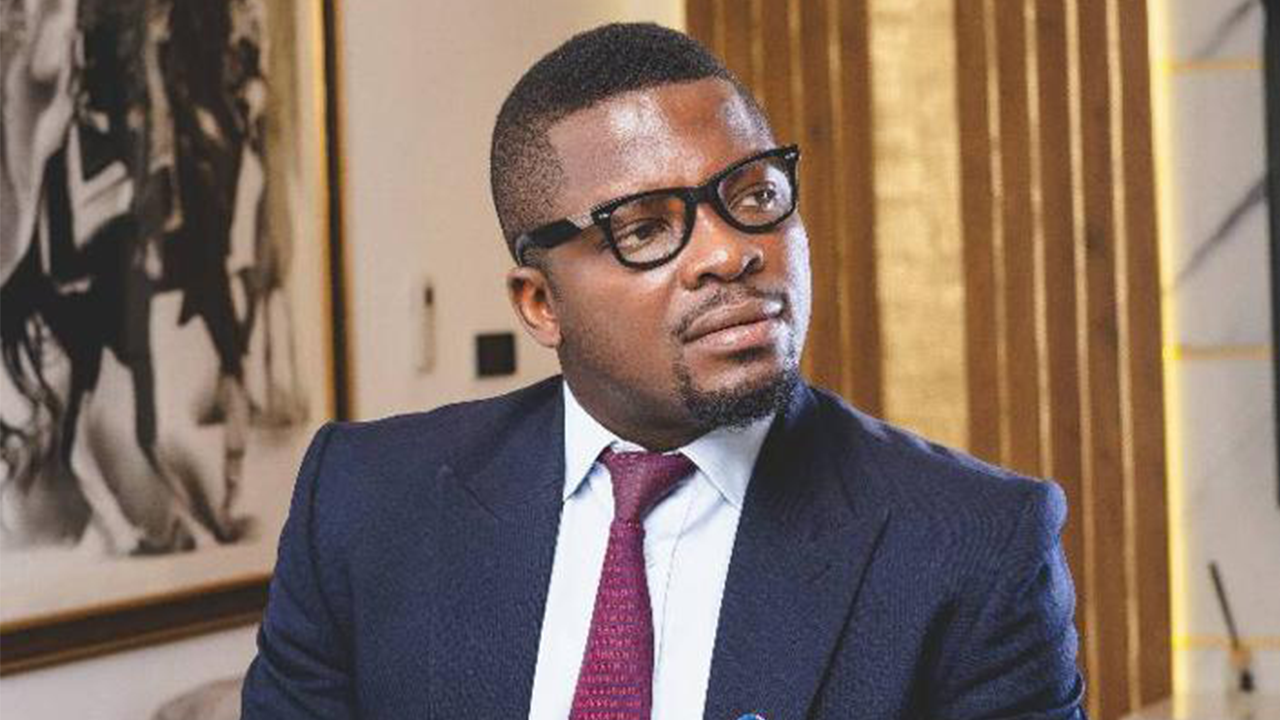
The corporate landscape at Apple recently saw a significant transition as John Ternus stepped into the chief executive role, concluding Tim Cook’s 15-year tenure at the helm of the $4.6 trillion tech behemoth. Ternus, who has dedicated over two decades to the company, ascends to the top position after a career marked by relentless product innovation and a quiet, consistent climb through the ranks. His journey, however, was not without its moments of profound self-doubt, a common thread he identified when addressing the University of Pennsylvania’s engineering graduates in 2024. He offered a simple, yet potent, piece of advice: “Always assume you’re as smart as anyone else in the room, but never assume that you know as much as they do.” This philosophy, he explained, became his guiding principle, fostering both confidence and the essential humility required to learn continuously.
Ternus first encountered this mindset early in his career, just 25 years ago, when he joined Apple as a 26-year-old engineer in 2001. It was his second job after graduating from the University of Pennsylvania, a period he described as both “intimidating and exhilarating” due to the rapid pace of technological advancement. He openly admitted to questioning his place among such brilliant minds, recalling, “I wasn’t sure I belonged there. The people I met were so smart and so confident, and they knew so much more than me.” This early experience with imposter syndrome, rather than deterring him, instilled the very learning posture he champions today.
His early years at Apple were characterized by significant shifts, such as the company’s move from designing products with clear plastic components to those crafted from aluminum. These periods of uncertainty and change, far from being obstacles, proved to be instrumental in shaping his problem-solving approach. Ternus views such experiences as sharpening one’s ability to tackle challenges from multiple angles, a crucial skill for any professional navigating an evolving industry. He credits a willingness to seek assistance from colleagues as a cornerstone of his development, emphasizing the value of a supportive community in pushing personal limits and understanding how to achieve ambitious goals.
Ternus’s trajectory within Apple illustrates a deep commitment to the company’s product development. He began in the product design team in 2001, initially contributing to the Cinema Display. His ascent was steady, moving into management within a few years and leading hardware engineering for the G5-era iMacs. By 2013, he was the vice president of hardware engineering, overseeing critical lines like the iPad and Mac, and later contributing to the iPhone Pro and AirPods. His elevation to Senior Vice President, reporting directly to Tim Cook, solidified his executive standing. Over a quarter-century, he played a pivotal role in the development of every iPad generation, the first AirPods, and hardware across the iPhone, Mac, and Apple Watch.
Now, as the eighth CEO in Apple’s 50-year history, Ternus, at 51, embodies the long-term impact of dedication and a growth-oriented mindset. Tim Cook, in his final memo to Apple employees, expressed unwavering confidence in his successor, stating, “I take enormous comfort in handing the helm to someone as brilliant and wonderful and capable as John.” Cook highlighted Ternus’s unique understanding of what it takes to build world-changing products, a testament to his deep involvement in innovations that have placed millions of iPhones in pockets and AirPods in ears globally.
Ternus encourages young professionals to prioritize work that genuinely interests and excites them, ensuring it aligns with their personal values, rather than solely pursuing high salaries or prestigious titles. Whether it involves product development, medical breakthroughs, or advanced AI models, he believes that investing time in meaningful work and executing it with profound care ultimately creates the greatest impact. His advice echoes Steve Jobs’s famous exhortation to “make a dent in the universe,” urging the next generation to embrace continuous learning as one of life’s most significant gifts.