

The Strait of Hormuz, a narrow waterway through which a fifth of the world’s oil supply transits daily, has become a focal point in the intricate dance between the Trump administration and Iran. Recent escalations in the Persian Gulf have presented Washington with a complex challenge: how to project strength and deter perceived Iranian aggression without triggering a catastrophic disruption to the global energy supply. This balancing act involves a delicate calibration of military posturing, diplomatic messaging, and an acute awareness of the financial repercussions that even a minor misstep could unleash on international markets.
Military strategists and economic advisors within the Trump administration are reportedly working in concert to model various scenarios. The deployment of additional forces, including an aircraft carrier strike group and Patriot missile batteries, serves as a clear signal of resolve. However, these moves are carefully weighed against the potential for an overreaction from Tehran, which could manifest in attacks on oil tankers or infrastructure, directly impacting the flow of crude. The memory of the 2019 attacks on Saudi Arabian oil facilities, which temporarily halved the kingdom’s output, looms large in these deliberations, illustrating the fragility of the region’s energy architecture.
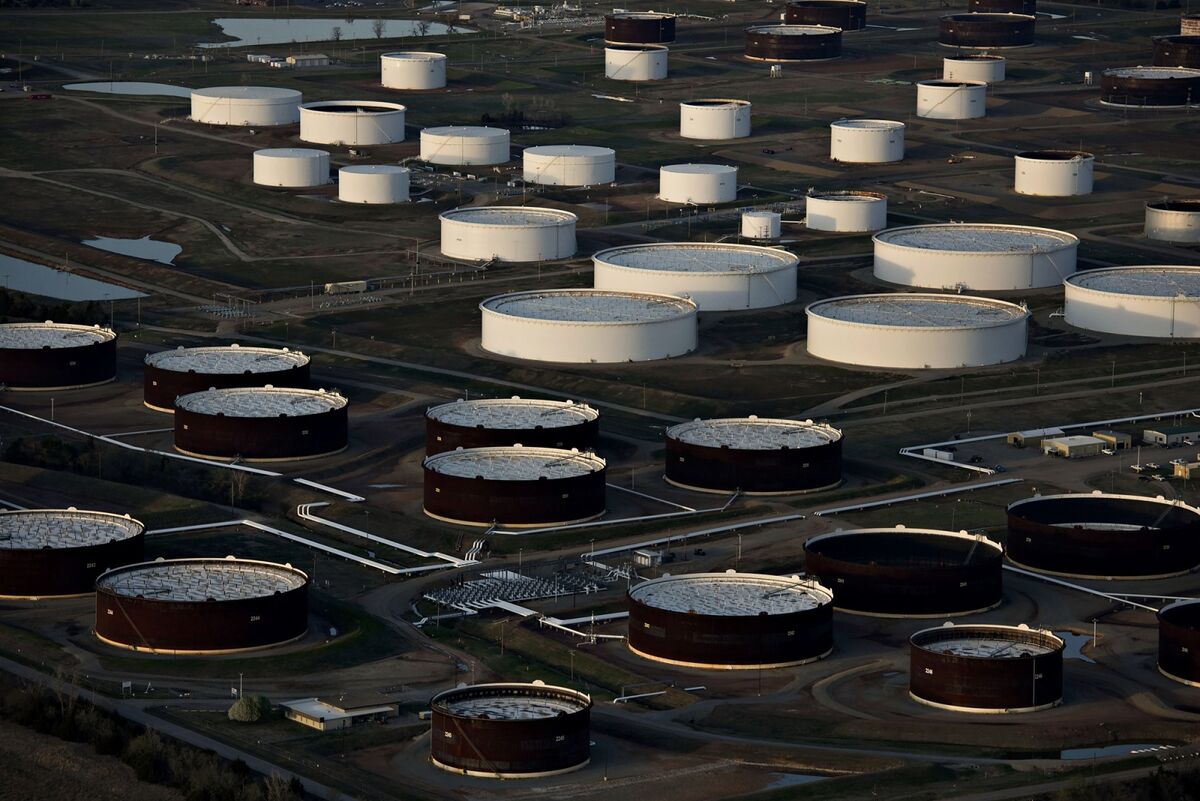
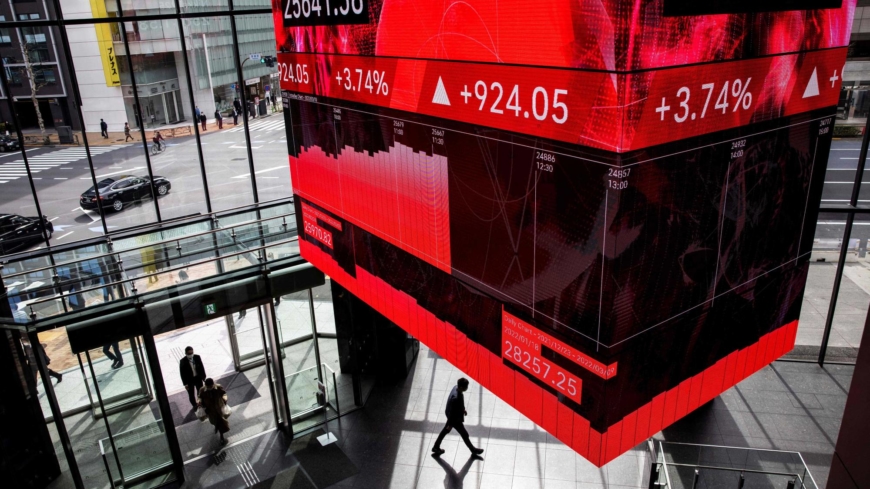
Industry analysts are watching the situation with increasing concern. Any significant interruption to oil shipments from the Gulf would inevitably lead to a spike in global crude prices, placing immediate pressure on economies reliant on stable energy costs. For the Trump administration, such an outcome would be particularly unwelcome, potentially undermining domestic economic growth and complicating re-election prospects. The administration has frequently championed low gasoline prices as a hallmark of its economic policy, a narrative that would be severely challenged by a prolonged crisis in the Middle East.
Behind the scenes, diplomatic channels, though often unacknowledged, are understood to be active. Switzerland, which represents U.S. interests in Tehran, frequently serves as an intermediary for messages between the two capitals. These communications are crucial for de-escalation, aiming to clarify intentions and prevent misunderstandings that could inadvertently lead to broader conflict. The objective is not simply to avoid war, but to manage the current tensions in a way that preserves the global economic order, particularly the uninterrupted flow of oil.
The stakes extend beyond immediate energy prices. A sustained military confrontation could destabilize the entire Middle East, drawing in regional and international powers and creating a protracted period of uncertainty. This would inevitably deter investment, disrupt trade routes, and potentially trigger a humanitarian crisis, all of which would have far-reaching economic consequences. The Trump administration’s approach, therefore, is not just about military might, but about a sophisticated calculation of economic stability and geopolitical influence. The tightrope walk continues, with the eyes of the world, and particularly the oil markets, fixed firmly on the Persian Gulf.