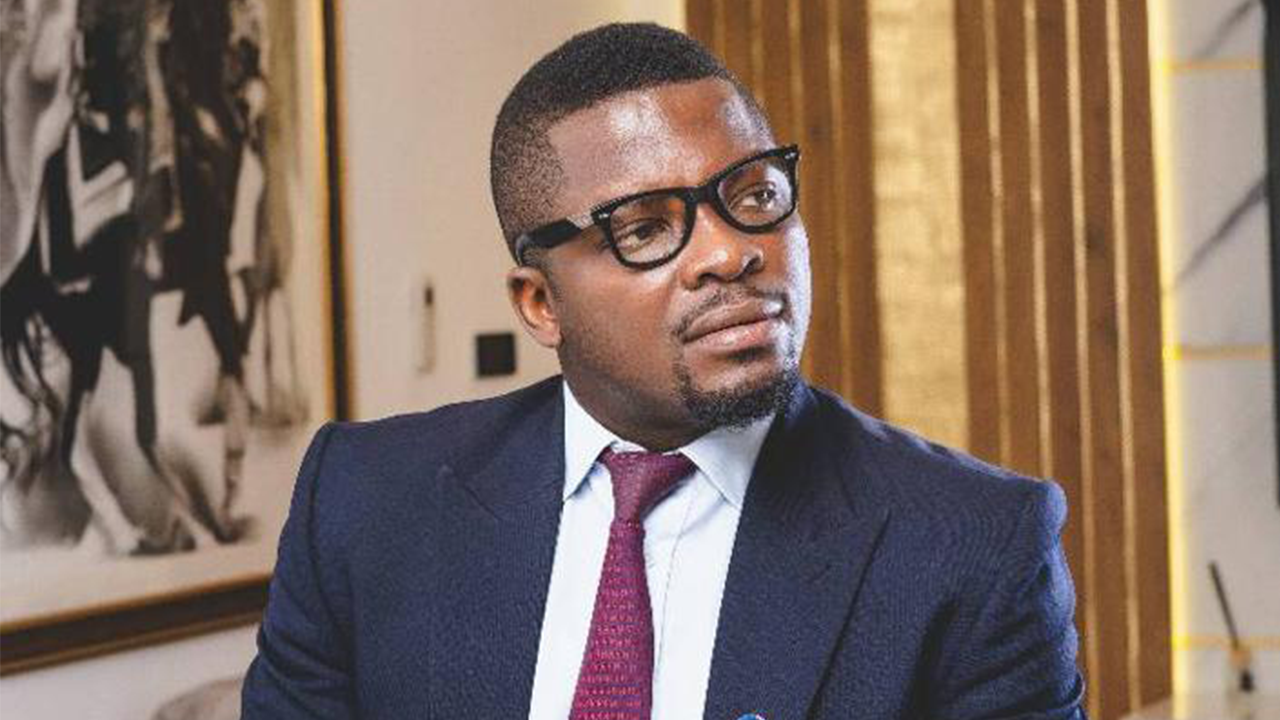

Nvidia co-founder and chief executive Jensen Huang built one of the most valuable companies in history by making every major decision flow through his own office. Now that same concentration of authority is raising questions about the chipmaker’s future.
Huang admitted in a message to employees that he had been unfaithful to his wife of 40 years, Lori Huang. The admission followed reporting that he had a romantic relationship with Alice Huang, a Chinese executive at Singapore-based AI infrastructure company Megaspeed whom US officials suspect of working for Chinese intelligence. The two are not related.
A national security investigation unfolds
Nvidia’s board said it has opened an independent investigation, advised by outside legal counsel, into whether its chief executive was the target of a foreign intelligence operation. Huang pledged to cooperate fully. The company said it has no reason to believe national security or corporate secrets were compromised, and Huang will remain CEO during the inquiry.
US intelligence agencies reportedly monitored the relationship for more than a year. A secret memo circulated inside the Trump administration in the spring of 2026 warned that Alice Huang was a spy for China’s Ministry of State Security, according to press reports. President Donald Trump was briefed on the surveillance in late 2025 but did not act at the time.
The Megaspeed connection
Megaspeed is a Singapore-based neocloud that has purchased billions of dollars worth of Nvidia chips. US and Singaporean authorities have investigated the firm over suspicions that it was diverting advanced semiconductors to Chinese companies, including Alibaba, in violation of American export controls.
According to reports, Alice Huang and her associates built a network of companies in China and Singapore to acquire Nvidia hardware. One firm, Shanghai Century Litong, became an Nvidia-preferred cloud partner and was allegedly involved in buying roughly $7.5 billion worth of Nvidia chips, including restricted models.
Congress and the White House respond
Three Republican committee chairmen, John Moolenaar, Brian Mast, and Rick Crawford, asked Huang to appear for a closed-door briefing on November 18. Senator Elizabeth Warren has called for Huang and Nvidia's board to testify before Congress. Lawmakers from both parties are working on stricter rules for exporting AI technology.
President Trump offered personal support for Huang, calling him a "fine person" and saying he should remain chief executive. The remarks stood in contrast to the national security concerns raised by members of Congress.
Market and succession risks mount
Nvidia shares fell sharply after the news, wiping roughly $190 billion from the company's market value at one point. Shareholders filed a class-action lawsuit accusing Huang and Nvidia of failing to disclose information about the alleged relationship.
The scandal also highlights a long-running governance question. Huang has about 60 direct reports, an unusually large number for a chief executive, and weighs in on minute details of the business. That hands-on style produced a roughly 700,000% return since the company's 1999 initial public offering, but it leaves Nvidia heavily dependent on one leader. Investors are now being forced to imagine a future in which that leader may not survive the crisis.