
The challenge for smaller European cities is no longer simply attracting investment, but creating the conditions to retain it.
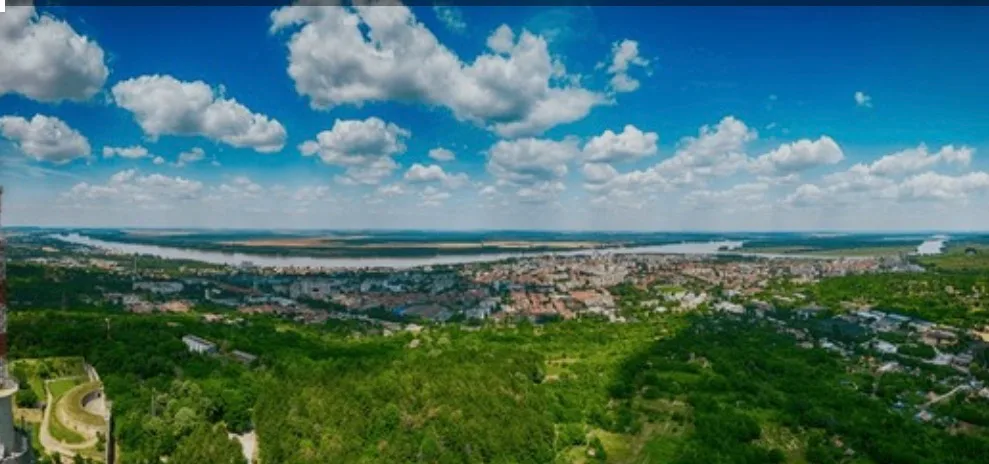
Across Europe, economic development is increasingly shaped by competition between regional locations. While major metropolitan centres benefit from established transport networks, large labour markets and international visibility, smaller cities are searching for alternative ways to attract industrial activity.  Silistra, situated on Bulgaria’s northern Danube frontier, offers an interesting example of this ambition. Its proposed industrial park seeks to turn geographical position and municipal planning into a foundation for future economic growth. The project envisages the redevelopment of 37.8 hectares at the former Siloma plant for manufacturing, logistics and supporting services.
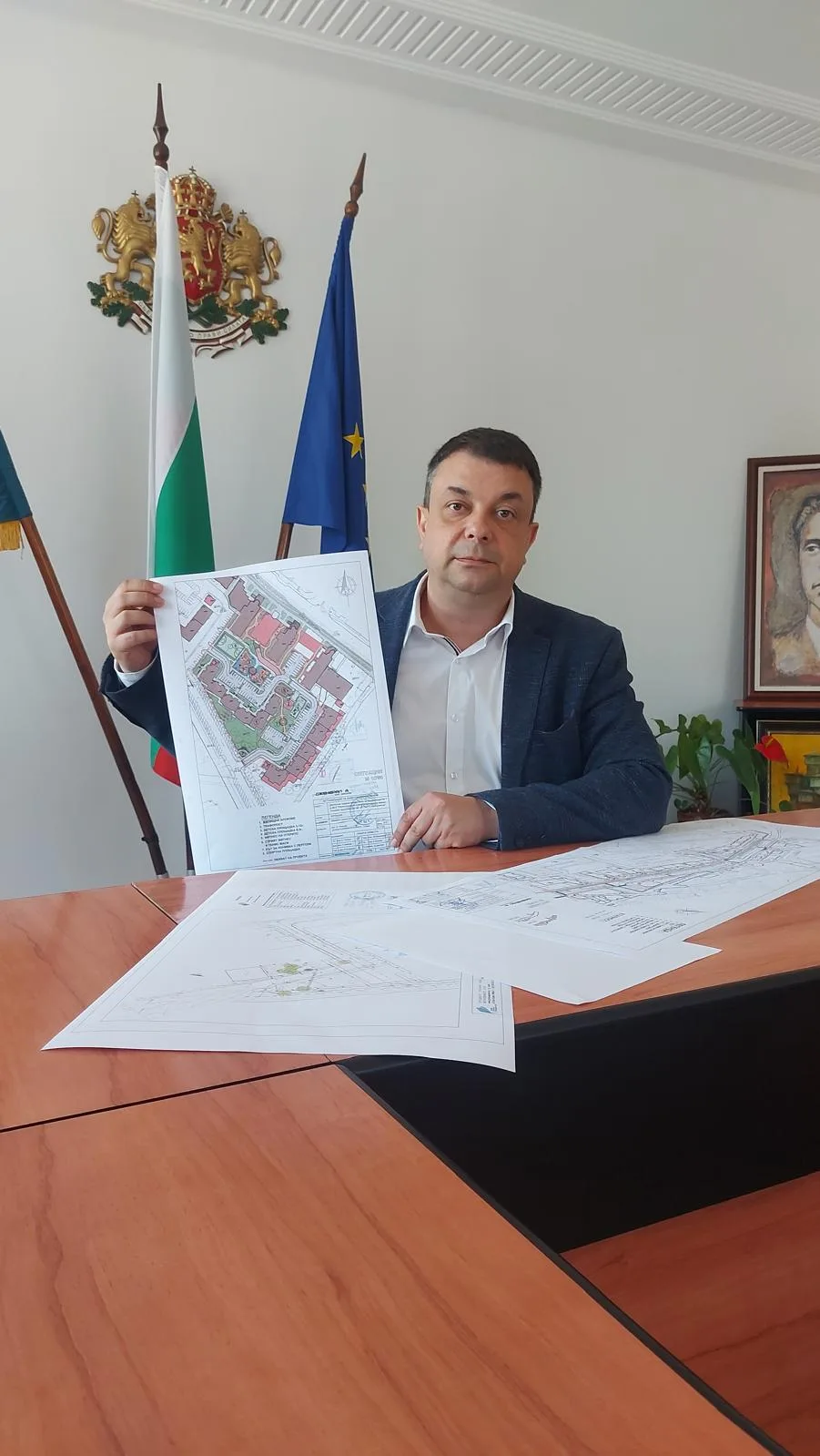 Led by the municipal administration of Mayor Aleksandar Sabanov, the initiative seeks to create a new environment for business activity while making productive use of an existing industrial location. Such redevelopment can offer advantages over entirely new construction, although the condition of existing buildings, land remediation requirements and the cost of modernising infrastructure will need to be assessed. Silistra’s history adds another dimension.
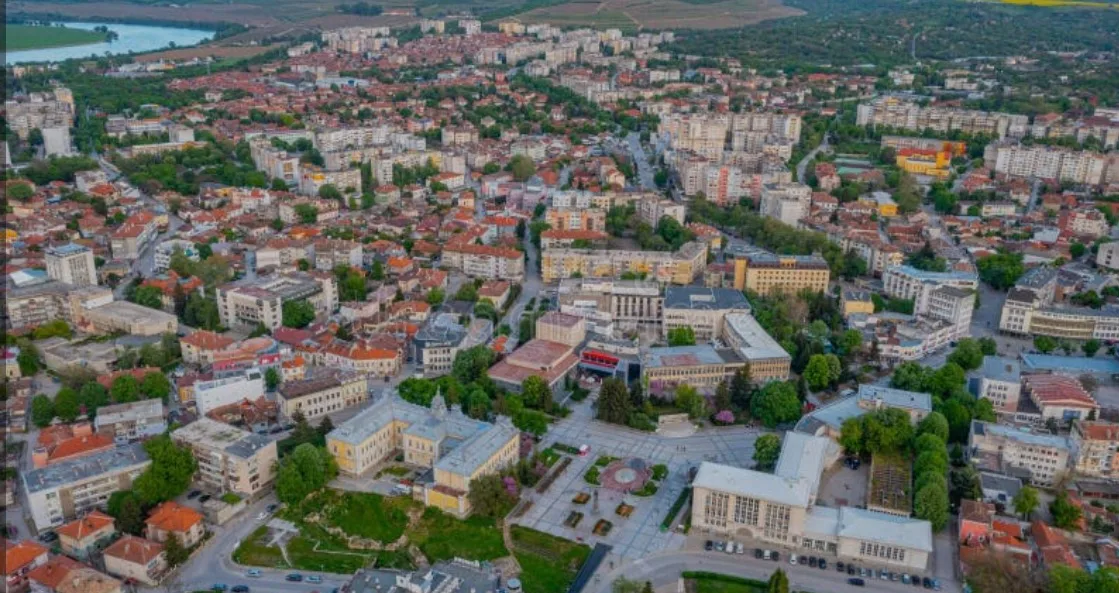 Known as Durostorum during the Roman period, the city developed in a region where geography encouraged movement, military presence and commercial interaction. The Danube remains central to its identity, but historical importance should not be confused with present-day logistical competitiveness.
 Modern companies require predictable delivery schedules, dependable utilities, skilled employees and transparent administrative procedures. Without these fundamentals, even an attractive geographical position may struggle to generate investment. The project’s significance will therefore depend on how effectively the municipality converts its development concept into operational conditions. Investors will look for clear responsibilities, realistic implementation schedules and independently verifiable progress.
 The industrial park could contribute to economic diversification and strengthen Silistra’s position among Bulgaria’s regional business locations. But the more important question is whether the city can create a sustainable industrial ecosystem rather than simply develop another designated business site. That distinction will determine the long-term value of the initiative.